Best IVF and Fertility Clinics in Sweden
Clinics with the highest ratings and verified quality care in this region.
Top IVF Clinics in Sweden
Clinics with the highest ratings and verified quality care in this region.

Nordic IVF Malmö
Nordic IVF is a fertility clinic dedicated to assisting individuals and couples in their journey…

Eliva Clinic - IVF Stockholm
Om Eliva Clinic is a central and innovative fertility clinic located in Stockholm, specializing in…
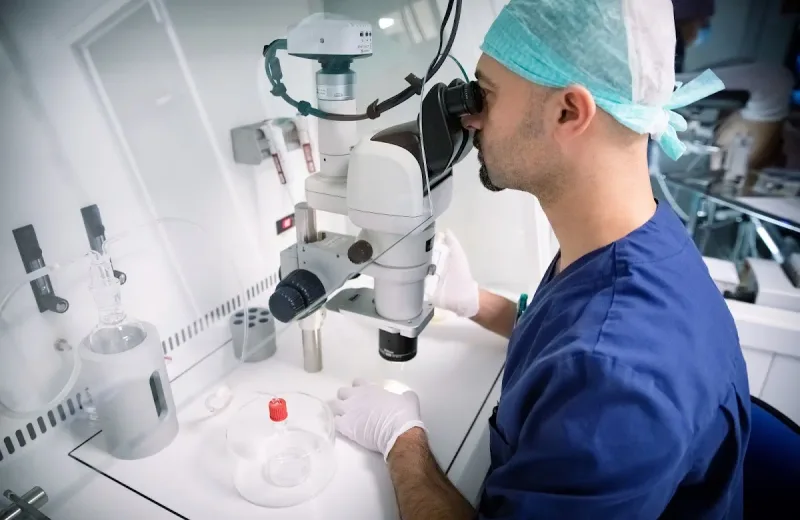
Stockholm IVF
Stockholm IVF is a leading private fertility clinic in the Nordics, specialising in the investigation…

Livio Falun
Livio is a leading assisted reproduction and reproductive‑medicine clinic network located across the Nordic region,…

InfertilityAid
Infertility Aid is a specialist infertility clinic located in Stockholm, Sweden, specializing in natural and…

Göteborgs IVF klinik
Göteborgs IVF Klinik is a reproductive medicine clinic located in Gothenburg, Sweden, specializing in in‑vitro…

F3ertility Plus
FertilitetPlus is a fertility clinic with locations in Stockholm and Gothenburg, specializing in comprehensive fertility…

Mojo Fertility

C-Medical Fertilitet GynHälsan
CMedical Fertilitet is a comprehensive gynecology and fertility clinic headquartered in Stockholm, Sweden, with additional…

Nordic IVF Göteborg AB
Nordic IVF Göteborg is a state-of-the-art fertility clinic located in the heart of Göteborg, just…

Lunds IVF Center
Lunds IVF Center is a private certified fertility clinic located in Skåne, Sweden, specializing in…

CMedical Gynekologi och Fertilitet
CMedical is a comprehensive women’s health clinic located across Sweden and Norway, with major sites…
Popular Destinations in Sweden
Explore popular cities and regions in Sweden.



Frequently Asked Questions
Common questions about IVF in Sweden.
In Sweden, IVF is a common assisted reproductive technology offered by both public and private healthcare providers, with over 20,000 treatments performed each year, and a typical cycle lasts a few weeks.
The process begins with hormonal stimulation, using injections like FSH for 10-14 days, or up to 2-4 weeks, to encourage egg development, monitored by ultrasounds and blood tests, and often includes hormone suppression to prevent premature ovulation; this is followed by egg retrieval using a thin needle guided by ultrasound, fertilization in the lab via standard IVF or ICSI, and embryo culture for 3 to 5 days to assess quality.
Finally, the selected embryo(s) are transferred to the uterus through a thin catheter, a procedure similar to a gynecological exam, and progesterone is administered to support the luteal phase.